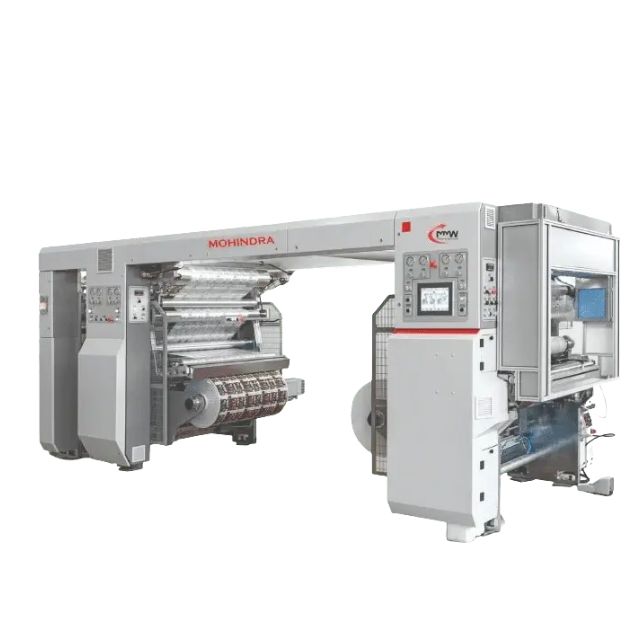
In today’s packaging and printing industry, product safety and appearance are very important. Customers always prefer products that look clean, strong, and attractive. To achieve this, manufacturers use a Lamination Machine. It helps protect printed materials and packaging products from damage, moisture, and wear.
In South Africa, industries like food packaging, printing, textiles, and flexible packaging are growing fast. Because of this growth, the demand for modern lamination machines is increasing every year. This blog explains what a Lamination Machine is, how it works, its types, uses, and why it is important for South African businesses. The language is very easy, so beginners and young readers can understand it clearly.
How Does a Lamination Machine Work?
The working process of a Lamination Machine is very simple to understand. First, the base material, like paper, plastic film, or foil, is placed on the machine. Then an adhesive or heat is applied between the two layers.
After that, the materials pass through rollers where pressure is applied. This pressure helps the layers stick together properly. Once the layers are bonded, the laminated material is dried or cooled, depending on the machine type. The final output is a strong, smooth, and protected product.
Whether it is a Solventless Lamination Machine or a Solvent-based Lamination Machine, the basic goal is the same: strong bonding and clean finishing.
Types of Lamination Machines
Different industries need different types of lamination machines. Below are the most commonly used Lamination Machine types explained in simple words.
Solventless Lamination Machine
A Solventless Lamination Machine uses adhesive without harmful solvents. This makes it safe for food packaging and eco-friendly for the environment. It is widely used in flexible packaging industries where health and safety standards are very important.
In South Africa, solventless lamination machines are popular because they reduce emissions and save energy. They also help manufacturers meet export regulations and international packaging standards.
Solvent-based Lamination Machine
A Solventbase Lamination Machine uses solvent-based adhesive to bond materials. This type of lamination provides very strong bonding and is suitable for heavy-duty and industrial packaging.
Solventbase Lamination Machines are often used when high strength and durability are required. Even though they need proper ventilation, many manufacturers still prefer them for specific applications.
Paper Plate Lamination Machine
A Paper Plate Lamination Machine is used to laminate paper plates and disposable paper products. Lamination makes the plates water-resistant and strong, which is important for food serving.
This type of lamination machine is commonly used by food product manufacturers and catering suppliers.
Adhesive Lamination Machine
An Adhesive Lamination Machine uses glue to join materials together. It is easy to operate and suitable for paper, plastic films, and light packaging materials.
Small and medium businesses prefer this machine because of its simple operation and cost-effectiveness.
Foil Lamination Machine
A Foil Lamination Machine is used to laminate aluminum foil with paper or plastic films. This type of lamination is very common in food and pharmaceutical packaging.
Foil lamination provides excellent protection from moisture, air, and light, which helps increase product shelf life.
Fabric Lamination Machine
A Fabric Lamination Machine is mainly used in the textile industry. It bonds fabric with foam or film to make the material stronger and more comfortable.
This machine is used in garments, upholstery, shoes, and protective clothing manufacturing.
HDPE Lamination Machine
An HDPE Lamination Machine is designed to laminate HDPE sheets and films. These laminated materials are used in industrial packaging, sacks, and protective covers.
HDPE lamination improves strength and durability, making it suitable for heavy-use applications.
Heat Press Lamination Machine
A Heat Press Lamination Machine uses heat and pressure instead of adhesive. It is commonly used for documents, photos, ID cards, and printed sheets.
This machine is simple and widely used in printing shops and offices.
Poly to Poly Lamination Machine
A Poly to Poly Lamination Machine laminates one plastic film with another plastic film. This type is very common in flexible packaging industries.
It is widely used for pouches, bags, and packaging rolls.
High Speed Lamination Machine
A High Speed Lamination Machine is designed for large-scale production. It helps manufacturers complete bulk orders quickly while maintaining consistent quality.
This machine is ideal for big factories and export-oriented businesses.
Materials That Can Be Laminated
A Lamination Machine can laminate many types of materials. This makes it useful for different industries.
Common materials include paper, plastic films, aluminum foil, fabric, poly sheets, HDPE, and flexible packaging films. Laminating these materials improves strength, appearance, and protection.
Because of this flexibility, lamination machines are used across many sectors in South Africa.
Applications of the Lamination Machine
Lamination machines are used in many industries. In food packaging, lamination helps keep food fresh and safe. In printing, it protects books, posters, and documents from damage.
In the textile industry, fabric lamination improves comfort and durability. In flexible packaging, lamination is used for pouches, bags, and wrappers. Industrial users also rely on lamination for protective covers and heavy packaging.
Benefits of Using a Lamination Machine
Using a Lamination Machine offers many business advantages. It increases product durability and improves appearance. Laminated products look premium and professional.
Lamination also protects products from moisture, dust, and damage. It increases shelf life, especially for food packaging. In the long run, lamination machines are cost-efficient and help businesses reduce product wastage.
Why Lamination Machines Are in Demand in South Africa
South Africa’s packaging and manufacturing industries are growing fast. Food processing, printing, and export businesses need strong and attractive packaging solutions.
A Lamination Machine helps meet local and international quality standards. With rising exports and demand for flexible packaging, machines like the Solventless Lamination Machine and Solventbase Lamination Machine are becoming essential for modern factories.
Final Thoughts
A Lamination Machine is an important investment for businesses involved in packaging, printing, textile, and industrial manufacturing. It improves product quality, increases durability, and adds value to the final product.
For South African businesses, choosing the right lamination machine helps stay competitive in local and global markets. Whether it is a Solventless Lamination Machine for eco-friendly packaging or a Solventbase Lamination Machine for strong bonding, lamination technology plays a key role in business growth.
Also, Read This Blog
#1 Rotogravure Printing Machine Supplier in South Africa | Mohindra Trusted Seller